Rebuilding Movement, Restoring Lives
We believe recovery isn't just about fixing what's broken. It's about understanding why something broke in the first place and building resilience that lasts.
Most rehabilitation programs treat symptoms. We look deeper. When someone walks through our doors with chronic pain or limited mobility, we see patterns—habits formed over years, compensations the body learned, and movement strategies that seemed helpful but caused harm.
Our work started fifteen years ago in a small clinic where traditional approaches kept failing the same patients. They'd improve temporarily, then return months later with the same issues. That's when we realized something fundamental needed to change.
We developed a framework that combines biomechanics with behavioral science. Because bodies don't heal in isolation—they heal when people understand their movement, feel confident in their capabilities, and have practical tools for everyday life.
The Principles That Guide Us
Root Cause Focus
We spend time understanding the complete picture before suggesting solutions. Pain in your knee might come from how you walk, how you sit at work, or even how you trained years ago. Quick fixes mask problems—we find sources.
Evidence-Informed Practice
Research guides what we do, but individual response determines how we adapt. Not every body reads the textbook. We track progress objectively and adjust based on what actually works for you, not what should theoretically work.
Collaborative Recovery
You're not a passive recipient of treatment. We teach you to assess your own movement, recognize warning signs, and make informed decisions about activity. Independence matters more than dependence on weekly appointments.
How We Build Programs That Work
Comprehensive Assessment
We spend two hours in your first session. Not because we're slow, but because we need to see how you move in different contexts. Walking, reaching, balancing, transitioning between positions. We also talk about your daily routine, work demands, and what activities matter most to you.
Pattern Recognition
Every body develops movement strategies. Some work brilliantly. Others create stress over time. We identify which patterns serve you and which ones need updating. This isn't about "correct" movement—it's about sustainable movement that distributes load effectively.
Progressive Loading
Recovery happens when tissues adapt to gradually increasing demands. We use precise movement tracking systems that measure force, range, and endurance. This data helps us push appropriately without exceeding healing capacity.
Real-World Integration
Clinical improvement means nothing if you can't maintain it at home or work. We practice your specific movements—getting in your car, lifting your child, reaching overhead at your job. Then we create strategies to sustain those capabilities long-term.
Perspectives From Our Team
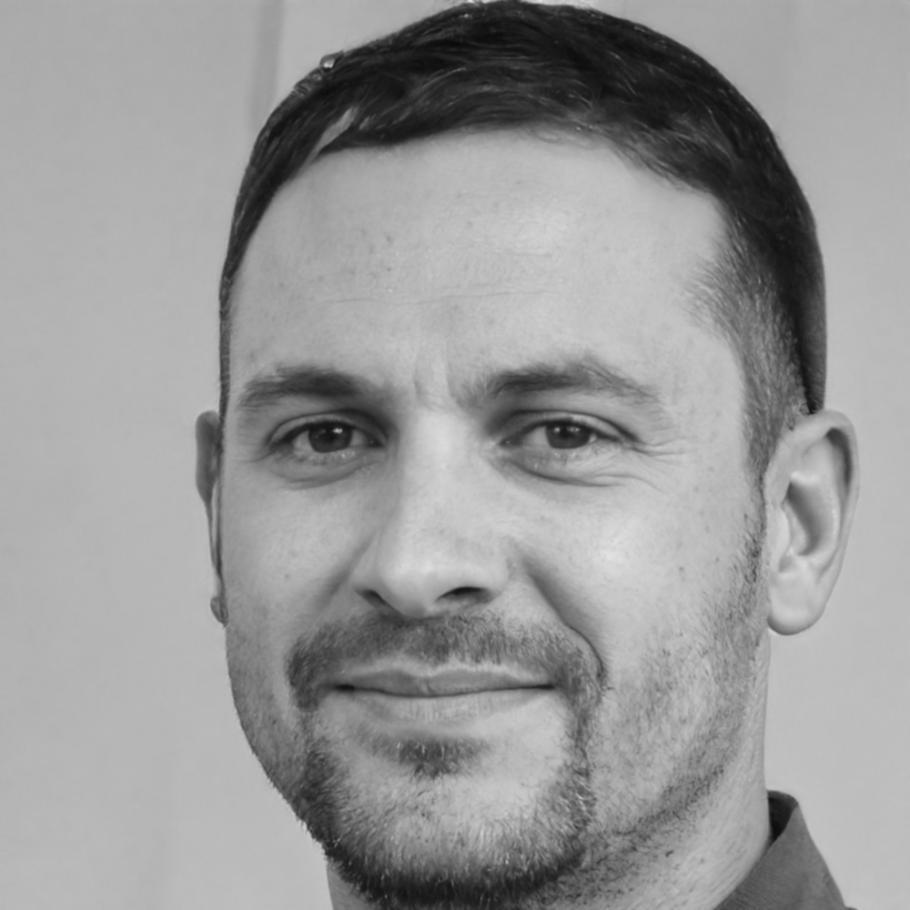
Kieran Holmberg
Director of Clinical Programs
"I spent my early career frustrated by short-term results. Patients would improve, then plateau or regress. That pushed me to study movement science more deeply and question standard protocols. Now we design programs that address underlying mechanics, not just symptoms. It's slower initially but creates lasting change."
Oskar Virtanen
Lead Movement Specialist
"People often come in expecting complex treatments. Sometimes the answer is simpler than they think—adjusting how they breathe during exertion, changing footwear, or modifying their workspace setup. Other times it's more involved. The skill is knowing which problems need sophisticated solutions and which need practical adjustments."