
Rehabilitation Programs Built on Real Movement Science
We started working with post-injury recovery because textbooks never prepared us for what clients actually need. After years of refining our approach through direct clinical application, we've developed assessment and programming frameworks that address the complexity of real rehabilitation challenges.
Three Distinct Rehabilitation Pathways
Each program addresses specific recovery needs with detailed protocols developed through extensive clinical testing. We don't believe in generic solutions.

Foundational Movement Restoration
This program focuses on rebuilding basic movement patterns after injury or extended periods of limited activity. It starts where you are, not where someone thinks you should be.
- Comprehensive baseline movement screening using validated assessment tools
- Progressive loading protocols that respect tissue healing timelines
- Integration of mobility and stability work specific to your limitations
- Regular reassessment to track actual progress and adjust programming

Performance Return Protocols
For athletes and active individuals who need to return to demanding physical activities. We bridge the gap between physical therapy discharge and full performance capacity.
- Sport-specific movement analysis and loading progressions
- Graduated intensity protocols based on tissue adaptation research
- Coordination with medical teams when appropriate for your situation
- Psychological readiness integration because confidence matters in recovery

Chronic Condition Management
Long-term strategies for managing persistent conditions that require ongoing attention. These programs emphasize sustainable approaches you can maintain independently over time.
- Evidence-based pain science education integrated with movement practice
- Realistic goal-setting focused on functional improvements that matter
- Self-management skill development for long-term independence
- Periodic program updates as your needs and capabilities change
Our Clinical Approach Explained
Most rehabilitation programs follow cookie-cutter progressions that ignore individual variability. We've spent considerable time developing assessment frameworks that actually inform programming decisions.
Evidence Integration That Makes Sense
We read the research, but we also understand its limitations. Our protocols combine current evidence with clinical reasoning developed through working with hundreds of unique cases. Sometimes the textbook answer doesn't match what the person in front of you needs.
Assessment-Driven Programming
Every program starts with detailed assessment because we can't address what we haven't properly evaluated. We look at movement capacity, pain behavior, tissue quality, and psychological factors that influence recovery.
- Movement pattern analysis using multiple screening tools to capture dysfunction
- Tissue-specific loading tests that respect current healing status and capacity
- Functional goal identification based on what actually matters in your life
- Regular outcome measurement to verify we're moving in the right direction
Progressive Loading Frameworks
Recovery isn't linear, despite what neat charts suggest. We build flexibility into programming so we can adjust when progress stalls or complications arise. The best plan is one that adapts to reality.
Our loading progressions follow tissue healing research but account for individual response variability. Some people progress faster than average. Others need more time at certain stages. Both are perfectly normal.
Integration and Independence
The goal is always to make yourself unnecessary to our clients. We emphasize education and self-management skills throughout the process so people can maintain their progress after formal programming ends.
Real Recovery Experience
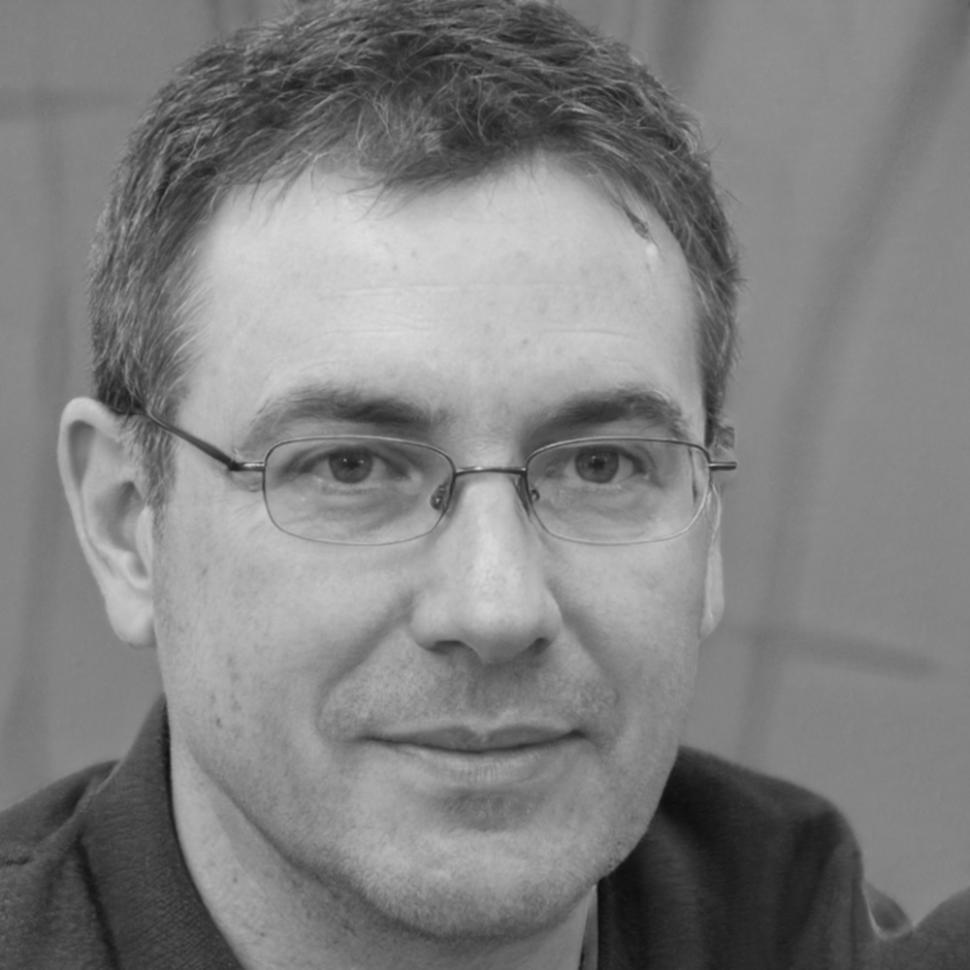
Dmitri Kovalenko
Senior Rehabilitation Specialist
12 Years Clinical"The hardest part about rehabilitation work is accepting that your carefully planned program might need complete revision after the first session. People are complicated, and recovery rarely follows the trajectory we predict."
From Theory to Practice
I came into this field with a head full of biomechanics theory and exercise science research. That knowledge is useful, but it took years of actual clinical work to understand how to apply it effectively with real people dealing with real limitations.
Early in my career, I tried to force everyone into evidence-based protocols without considering individual context. That approach failed more often than it succeeded. Now I use research to inform decisions, but I let individual assessment and response guide the actual programming.
What Actually Works
The programs that succeed have a few things in common. They start at an appropriate difficulty level, progress based on actual demonstrated capacity rather than arbitrary timelines, and they address the specific limitations each person presents with.
The most rewarding aspect is watching someone regain function they thought they'd lost permanently. Not through miracle interventions, but through systematic progressive overload applied intelligently over sufficient time. Recovery takes patience and consistency more than it requires advanced techniques.
If you're considering rehabilitation services, know that legitimate programs require time commitment and active participation. We can provide excellent guidance and programming, but you have to do the work. There are no shortcuts in recovery, regardless of what other providers might suggest.